
en

vidual visitors do not need to book tickets online in advance. Tickets can be purchased directly at the ticket offices located at both the top and the bottom of the Citadel.If you prefer to book in advance, you can do so via our online ticketing service at least 24 hours ahead (same-day online booking is not available).For groups of at least 20 people, bookings can be made by email at info@citadellededinant.be
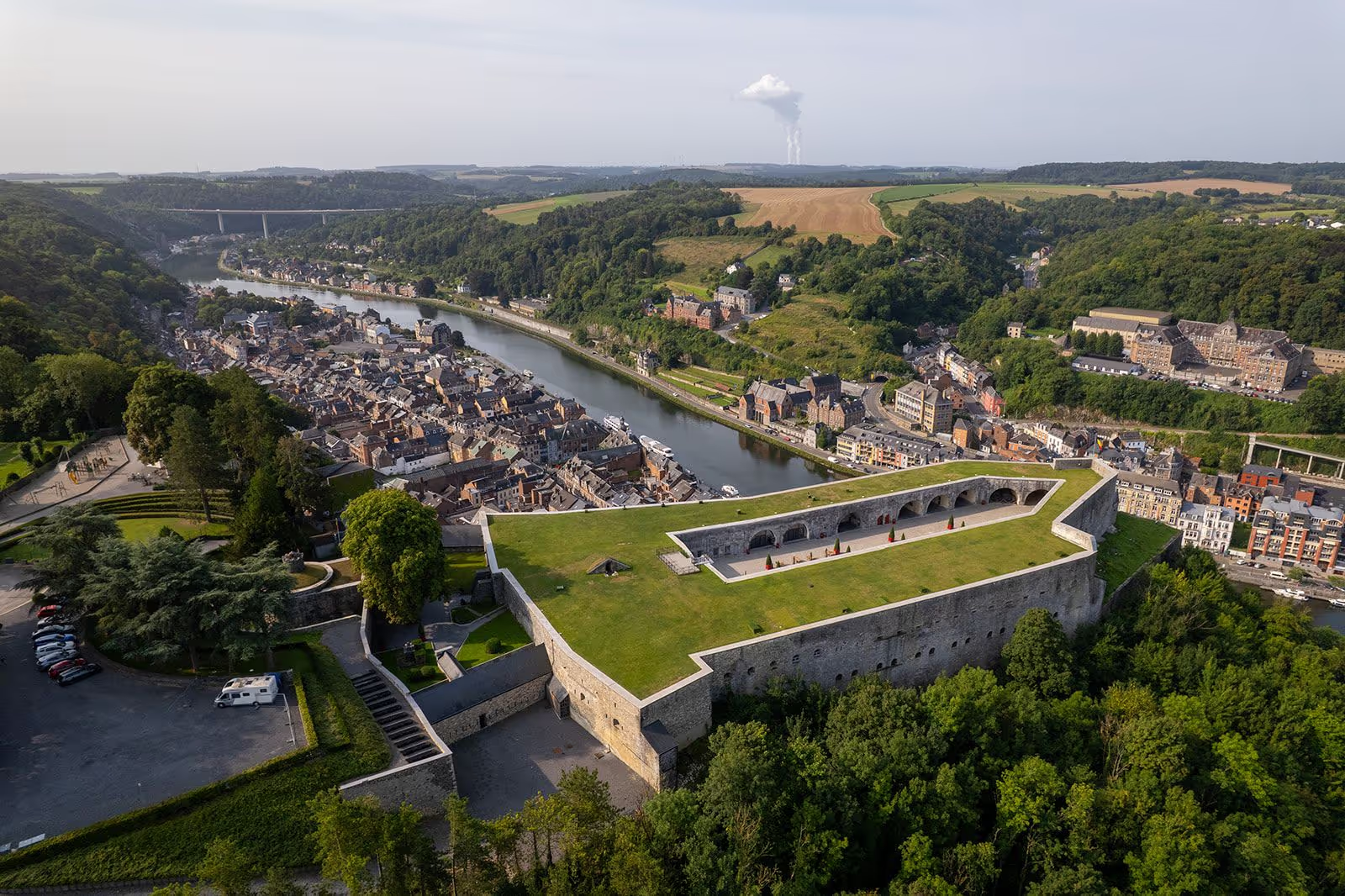
From its rocky spur above Dinant, the Citadel overlooks the Meuse Valley, where it has played a key defensive role for centuries. As a fortress and witness to major European conflicts, it reflects the eventful history of a region at the crossroads of trade and conflict.
.avif)
.avif)
.avif)
.avif)
.avif)
.avif)
.avif)
In the Middle Ages, Dinant was the second most important city in the Principality of Liège. Known as the city of the “Copères”, it owed its prosperity to copper craftsmanship and its location along the Meuse, a major trade route at the time.
Linked to the Hanseatic League, Dinant became a thriving city, known for its wealth and influence. Fortifications were then built to defend the town and its independence against neighbouring powers.
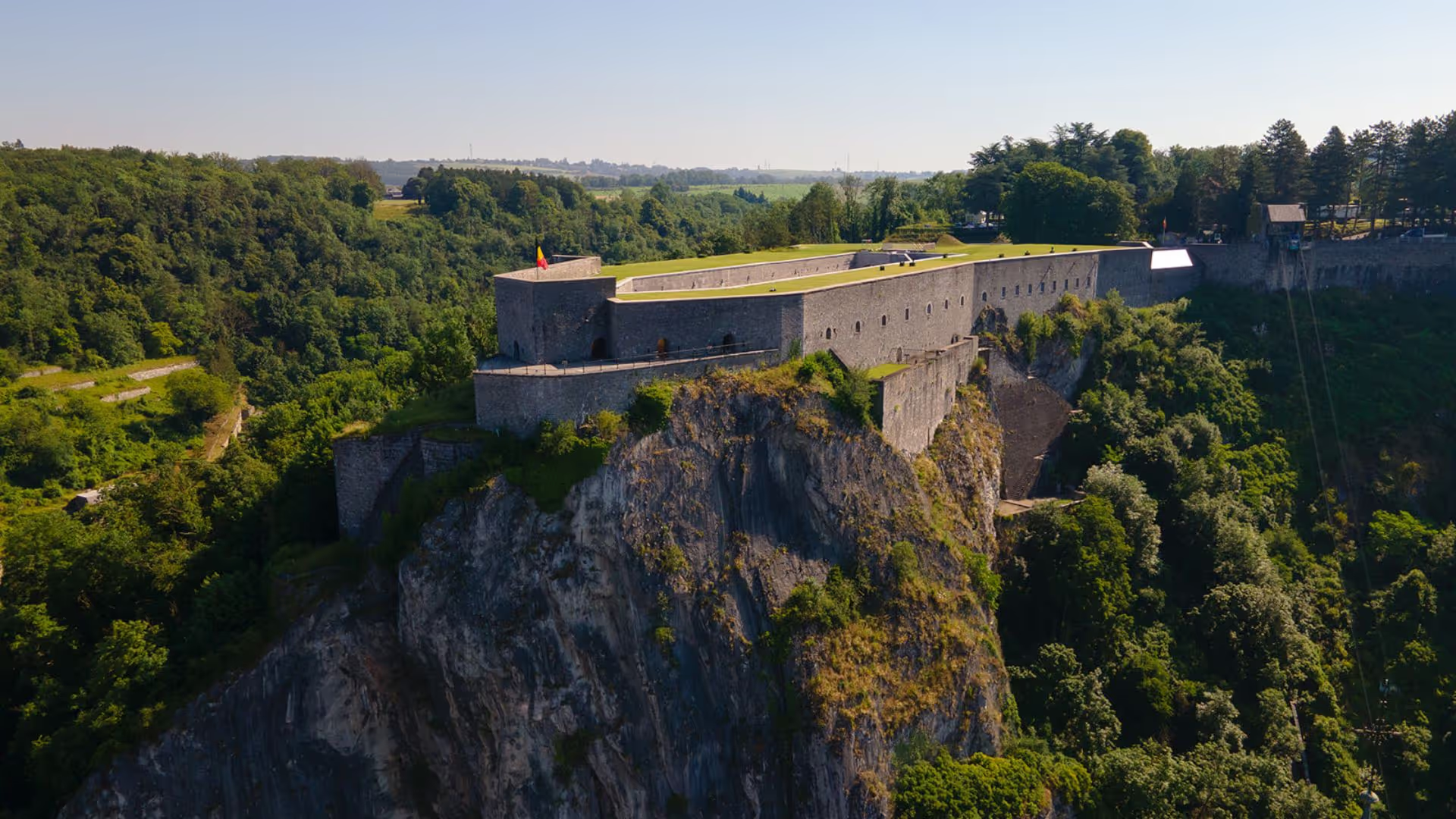
From the late Middle Ages onwards, Dinant’s strategic position made the Citadel a key military stronghold. In 1466, Charles the Bold, in a particularly significant episode in its history, sacked the town.
Over the centuries, the fortifications were strengthened and adapted to changes in military strategy, particularly under the influence of Vauban’s defensive principles in the 17th century.
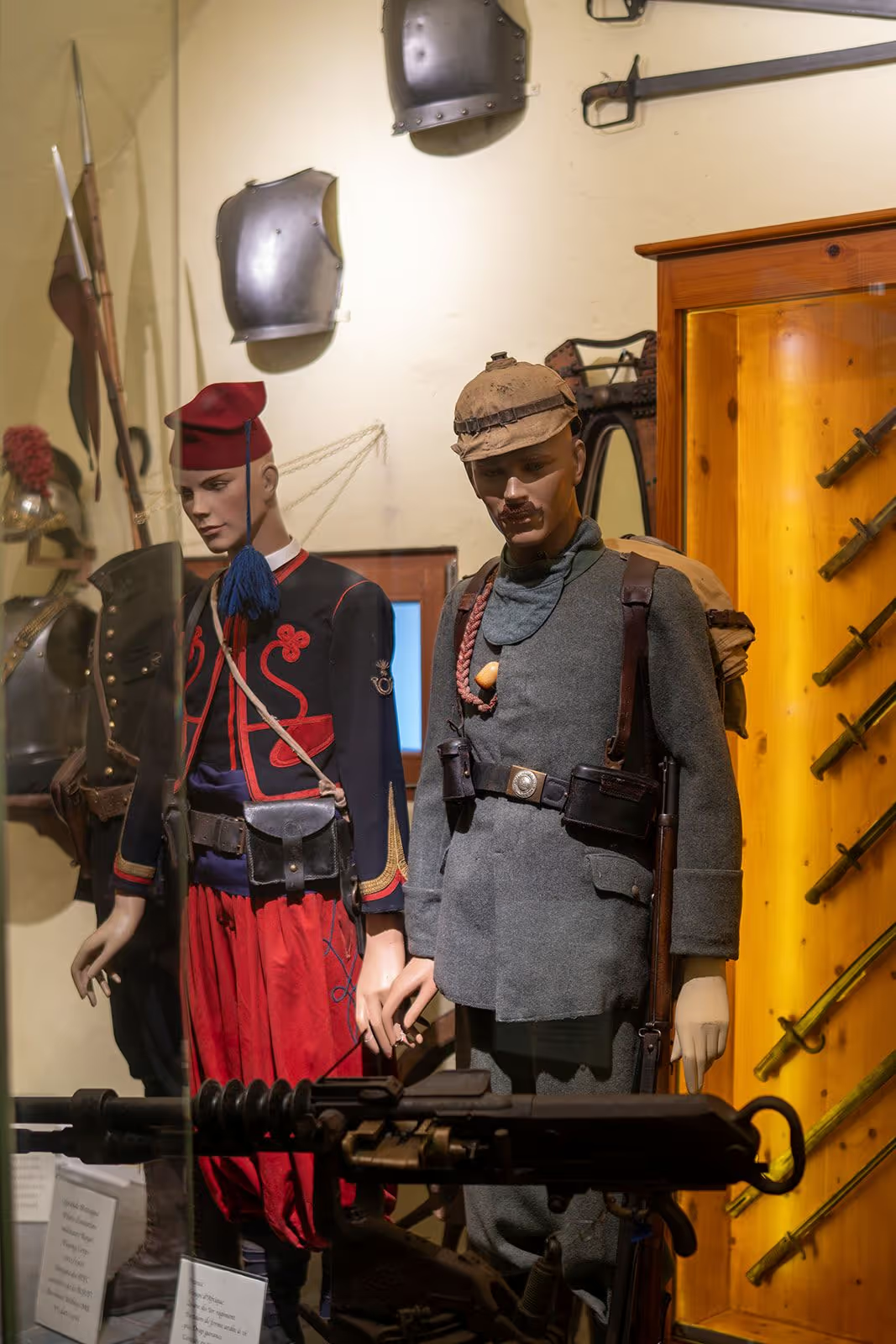
In August 1914, Dinant was the scene of violent fighting and tragic events. The massacre of 674 civilians left a deep and lasting mark on the town and the region.
.avif)
Perched more than 100 meters above the Meuse River, the Citadel still towers over the city and the valley. Today, it stands as a powerful symbol of Dinant’s and Wallonia’s heritage.
A key witness to European history, it remains a place of memory, continuing to share its history with visitors and linking past, place and identity.
.avif)